
Why Your Mining Technology Implementation is Failing

Why Your Mining Technology Implementation is Failing (And How to Fix It)
Investing millions in mining technology—like a Fleet Management System (FMS) or High Precision GPS—is only the first step. The real challenge lies in the implementation and training. Many mining operations find that despite these massive investments, the systems fail to deliver the promised value.
This post explores why traditional OEM (Original Equipment Manufacturer) implementations nearly always fall short and how a more specialised, site-centric approach can unlock the full potential of your technology.
Contact us today to learn how we can help you manage and reduce your fuel consumption.
The "Install and Leave" Trap: Why OEM Implementations Often Fall Short
A common frustration for mine sites is technology that is "implemented" but never truly "adopted". This typically happens when implementation teams prioritise a mechanical, checklist-driven approach rather than a tailored plan to suite the specific operation. (For example, there are huge difference between implementing technology in for example the United States compared to other parts of the world where mining is less technologically advanced).
Speed Over Sustainability
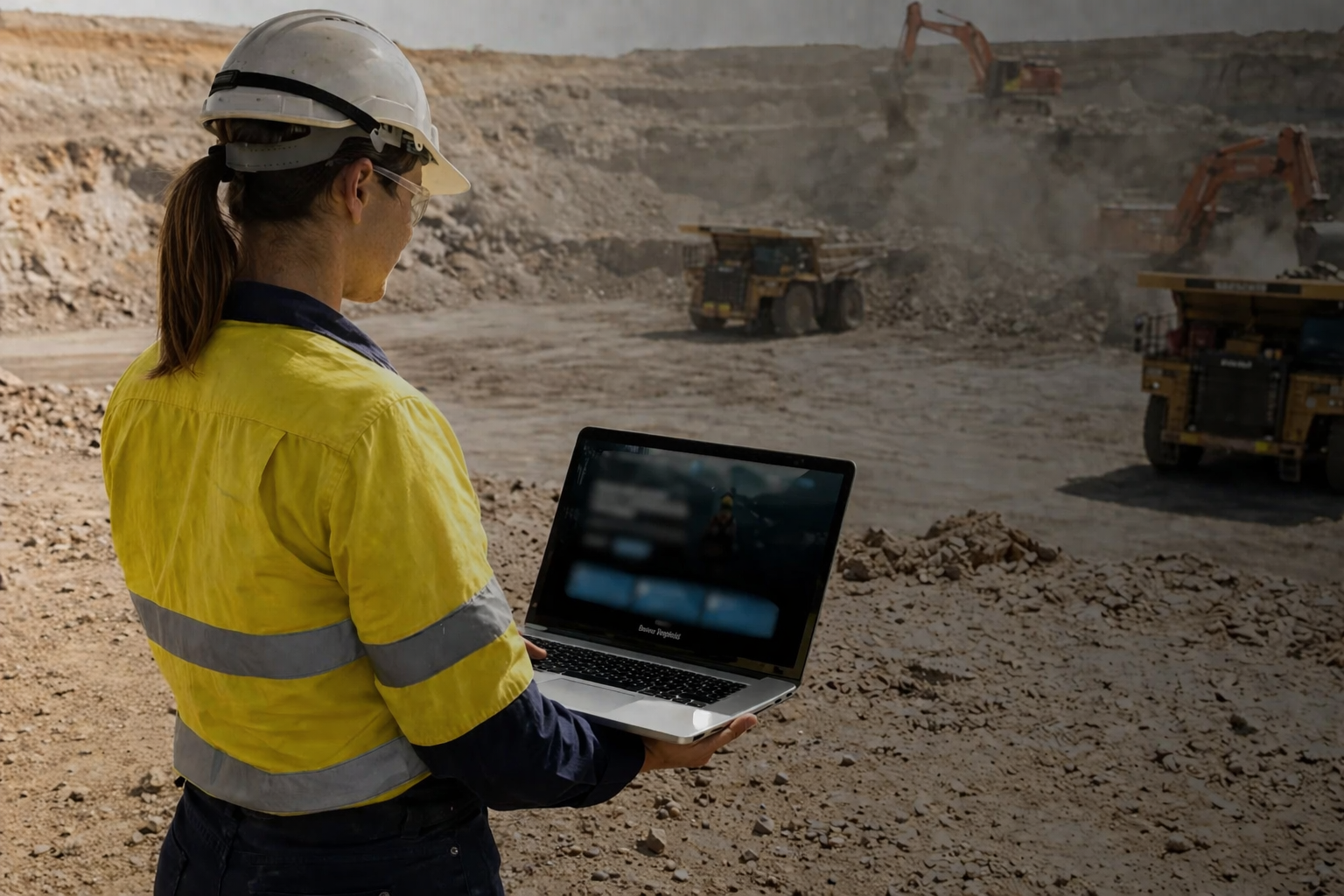
OEM teams often work within tight windows, moving quickly from one site to the next. Their primary goal is therefore often technical: Is the screen installed? Does it turn on? Is the software installed? Once the hardware and office software is functional, they move on, often without ensuring the end-user understands how to extract value from the system.
A Different Revenue Model
The revenue model for OEM teams often prioritizes rapid installation, completion of mandatory training, and other immediate deliverables, allowing them to quickly transition to the next project. Consequently, there is little motivation to offer the enhanced effort or sustained support that would be standard if their compensation depended on a longer-term partnership spanning many months or even years.
The "Fudge" Factor
When technical hurdles arise—such as interfacing different equipment brands or importing mining blocks —OEM teams may "fudge" the setup just to keep the project moving. This leaves the site with a legacy of data issues, frustrating work arounds and user frustration that are incredibly difficult to unpick later.
5 Reasons Your OEM Training Isn't Delivering Results
If your team feels unprepared for real operations after training, you aren't alone. Many sites report that OEM training lacks the depth required for the rigors of a live mine.
Generic, One-Size-Fits-All Curriculum: Most OEM programs follow a standard template that simplifies content to fit a universal model, ignoring the unique needs of your specific site.
Lack of Site-Specific Context: Training rarely reflects your actual equipment setup, site constraints, or unique workflows.
Theory Over Competence: There is often too much focus on classroom-style lectures and "death by PowerPoint" rather than role-based skill development.
Delivered Mostly Online: Without on-site evaluation, understanding remains shallow. Knowledge fades quickly when there is no hands-on repetition in the actual work environment.
Practical Application Gap: Long presentations have low practical value. Operators need to know how to do their jobs safely and effectively, not just how the software works in a vacuum.
The MTS Difference: Bridging the Gap Between Tech and Operations
MTS takes a different approach by combining an intimate understanding of mining operations with deep technology expertise. Instead of just installing hardware, we focus on delivering a system that works as expected.
Proper Project Management
MTS ensures that project planning is comprehensive. We identify and prioritize problems early, ensuring that data hierarchies and inputs are captured correctly the first time. We hold teams accountable and ensure that issues aren't "parked" or "skipped".
The Human Element
Technology is only as good as the people using it. MTS prioritizes change management and training, ensuring every team member knows how and why it is important to use these systems effectively.
Data-Driven Processes
We develop processes that align with your site’s specific needs, pairing them with data-driven tools like dashboards to monitor performance deviations and measure outcomes easily.
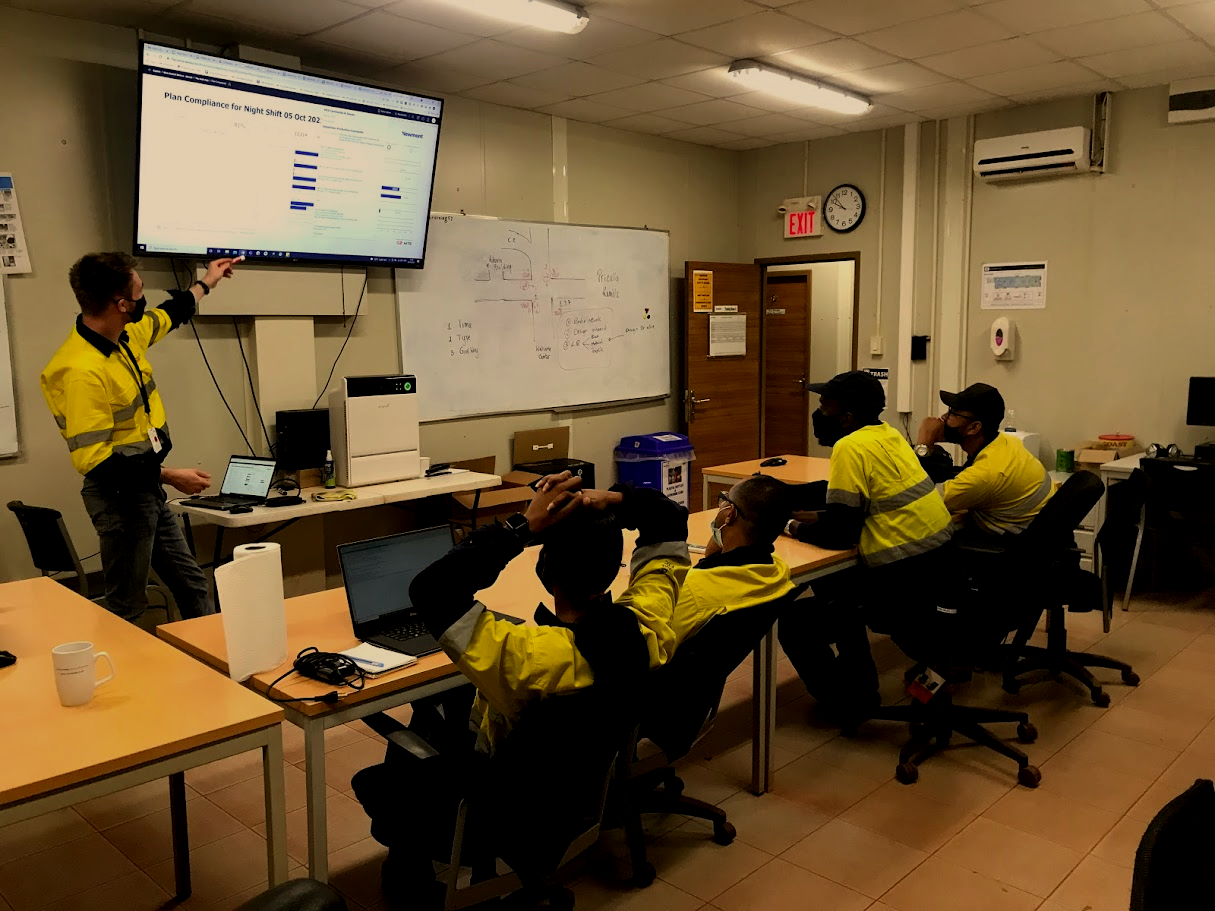
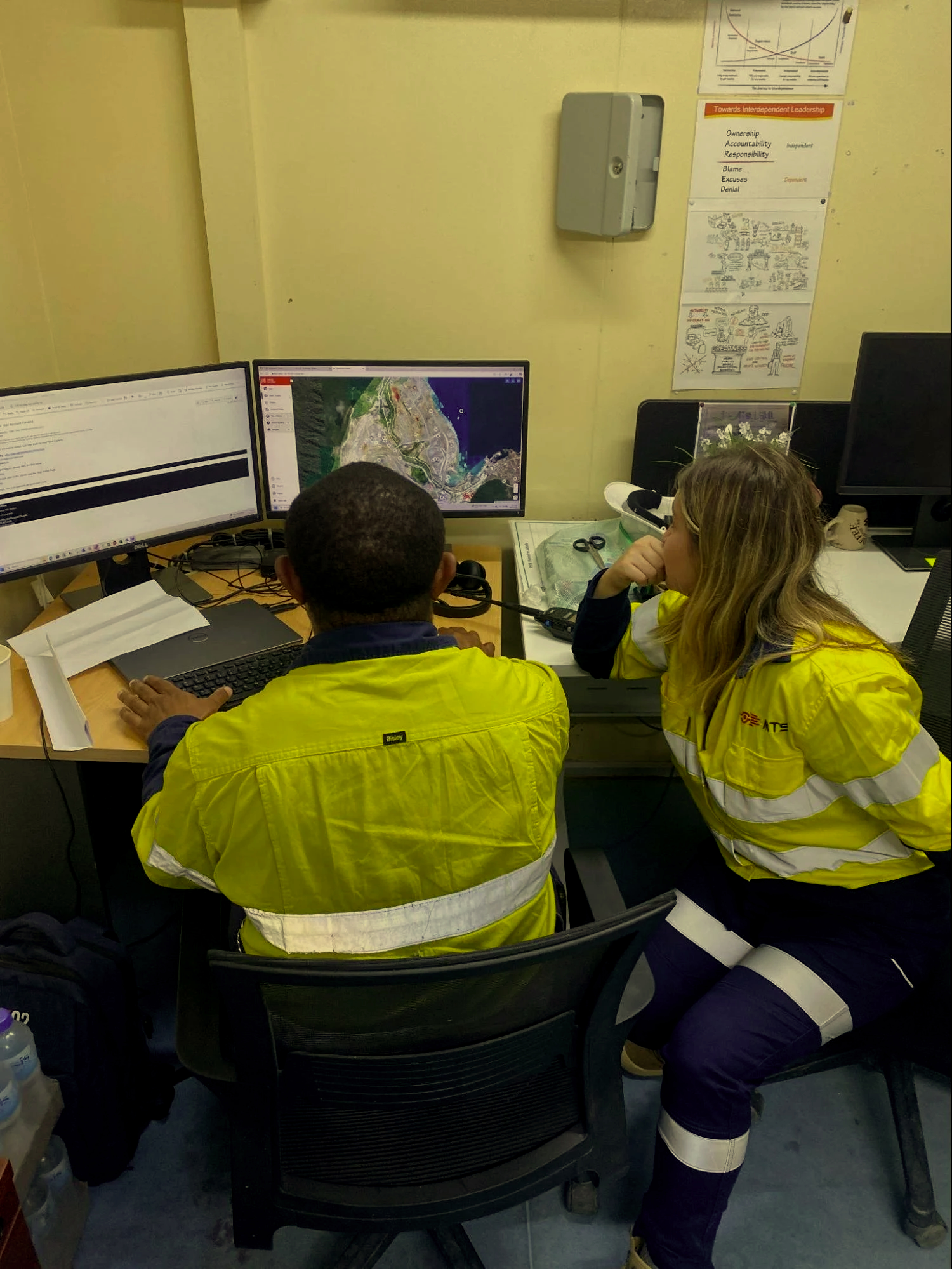
The standard MTS methodology for on-site knowledge transfer, blending data-driven strategic team alignments with practical, over-the-shoulder software mentoring to accelerate digital fluency and workforce upskilling
Moving from Theory to Competence: The MTS Training Approach
To ensure training actually "sticks," MTS utilizes a practical, discipline-focused methodology:
Live, On-Site Visits: We spend time at your site to understand your real-world conditions and operator needs.
Customized Curriculum: Every session reflects your specific processes and equipment—no generic content.
Skill-Level-Based Training: Training is tailored to the specific proficiency and role of each technician or operator.
Hands-On Practice: Operators run real procedures in real environments under expert supervision and coaching.
Simplified Resources: We provide clear, floor-level quick sheets and reference guides focused on essential job tasks.
The Result: Real Operational Discipline
When implementation and training are handled correctly, the results are immediate: faster onboarding, better troubleshooting, and stronger operational discipline. Most importantly, you finally get the value from your technology investment that you were promised.
