
Our Key Takeaways from Mining Indaba 2026
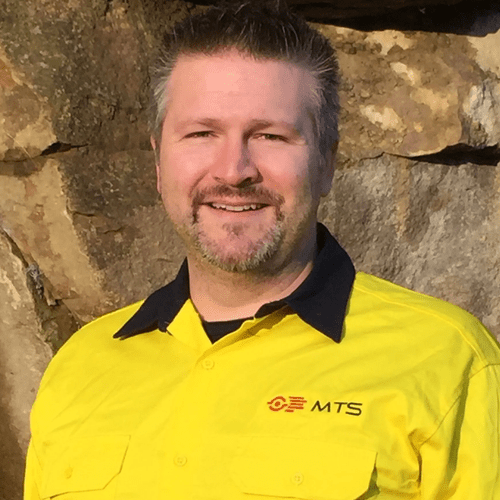
We had a fabulous and unforgettable week at Mining Indaba 2026 in the beautiful and spectacular setting of Cape Town. The incredible networking opportunities highlighted a pivotal turning point for the industry in its approach to both technology and collaboration.
From high-level panel discussions to boots-on-the-ground networking events with the UK Department for Business and Trade, Wenco, Caterpillar, and SRK Consulting, amongst others, several mining technology trends and patterns have emerged from this year’s Indaba.
Here are our top four takeaways for the year ahead:
1. The Era of "Practical" AI
Artificial Intelligence was undoubtedly the "hot topic" of the conference. However, we noticed a significant shift in the conversation: the industry is moving away from the initial hype and toward realistic, practical solutions.
The focus is now on proven results rather than abstract potential. We are relieved. We’ve always believed that data has the answers, but you need the right lens to see them - and importantly, if AI doesn’t trigger decision making, there will be an even bigger pool of data that could potentially go ignored. This shift toward "AI that actually works" is exactly what the industry needs to solve long-standing challenges in mining.
2. Digitisation is expanding to Mining Contractors
We are seeing that digitisation is beginning to make inroads with mining contractors operating in Africa and the Middle East. This is being fueled by two factors:
Growing demands to optimise performance within contracts - miners no longer accept paper tallies and promises to be as efficient as possible; they want hard data and technology to ensure compliance, sometimes going so far as to stipulate expected systems within contracts awarded.
The rise of "light" technology options like MineTrack, AVA, MachineMax, and Cat MineStar Edge. (Historically, the relatively large CAPEX required for mining technology installations, including infrastructure, onboard hardware, software and training, has made it prohibitively costly for contractors).
A central point of debate is whether a technology failure should be classified as a true downtime event, a standby period, or a new separate category entirely.
Some argue that if a system is required by site regulations or company standards for effective production, its failure is a functional failure, and the equipment should be classified as down. This would give an urgency to get this issue resolved as with any down, and any shortfall in skills or tools would aim to be resolved.
Others suggested mining technology failures should be contained within an "Other Down Time" category with dedicated codes allocated for items such as the Fleet Management System (FMS), High Precision GPS machine guidance (HPGPS) or Wi-Fi networks. This approach allows for separate tracking of technology reliability without penalising the maintenance department for issues outside their control.
The discussion also brought up the need to create new KPIs that measure technology reliability and operational impact, suggesting that an updated TUM could provide a clearer picture of the costs and benefits of modern mining technology.
3. Tech is Ready—But is Your Workforce?
A recurring theme was that technology advancements must go hand-in-hand with workforce upskilling. Implementing the latest Fleet Management System (FMS) is only half the battle; the real value is unlocked when processes are changed, and the people on the ground are trained to use the tech effectively. This part of mining technology is still, unfortunately, often overlooked or skipped over by those doing the implementations - installing hardware is measurable and fast; change management often takes months to see the results.
This is a core pillar of what we do at MTS. Whether it's training dispatchers, helping operators understand that "funny new screen" in their cab, or rolling out new processes and supporting dashboards, the human element remains the most critical factor in a successful digital transformation. An item that can greatly encourage this change is exposing the value that comes from better use of tech. i.e. showing things are going in the right direction!
4. Collaboration is the New Currency
The theme of Indaba 2026 was “Stronger together: Progress through partnerships” and this was felt throughout the event. There is a collective realisation that no single company can do it all - particularly on the vast African continent with its many languages, regional nuances and of course the challenge of getting around. We spent the week meeting with potential industry partners—from FMS companies looking to build regional case studies, to consultancy groups where we are exploring collaborative opportunities in Southern Africa.
Looking Forward
Indaba 2026 confirmed that our focus at MTS - bridging the divide between operations, people, and technology - is more relevant than ever. As the industry shifts its focus toward critical minerals and emerging mining regions, we are excited to help our clients navigate these complexities with evidence-based results, not just vague recommendations.
We cannot wait to be back in Cape Town next year. Surely one of the most special places on the planet?
Did you miss us in Cape Town? We’d love to catch up!
