
Leading Gold Miner, 2022 - 2025
Overview
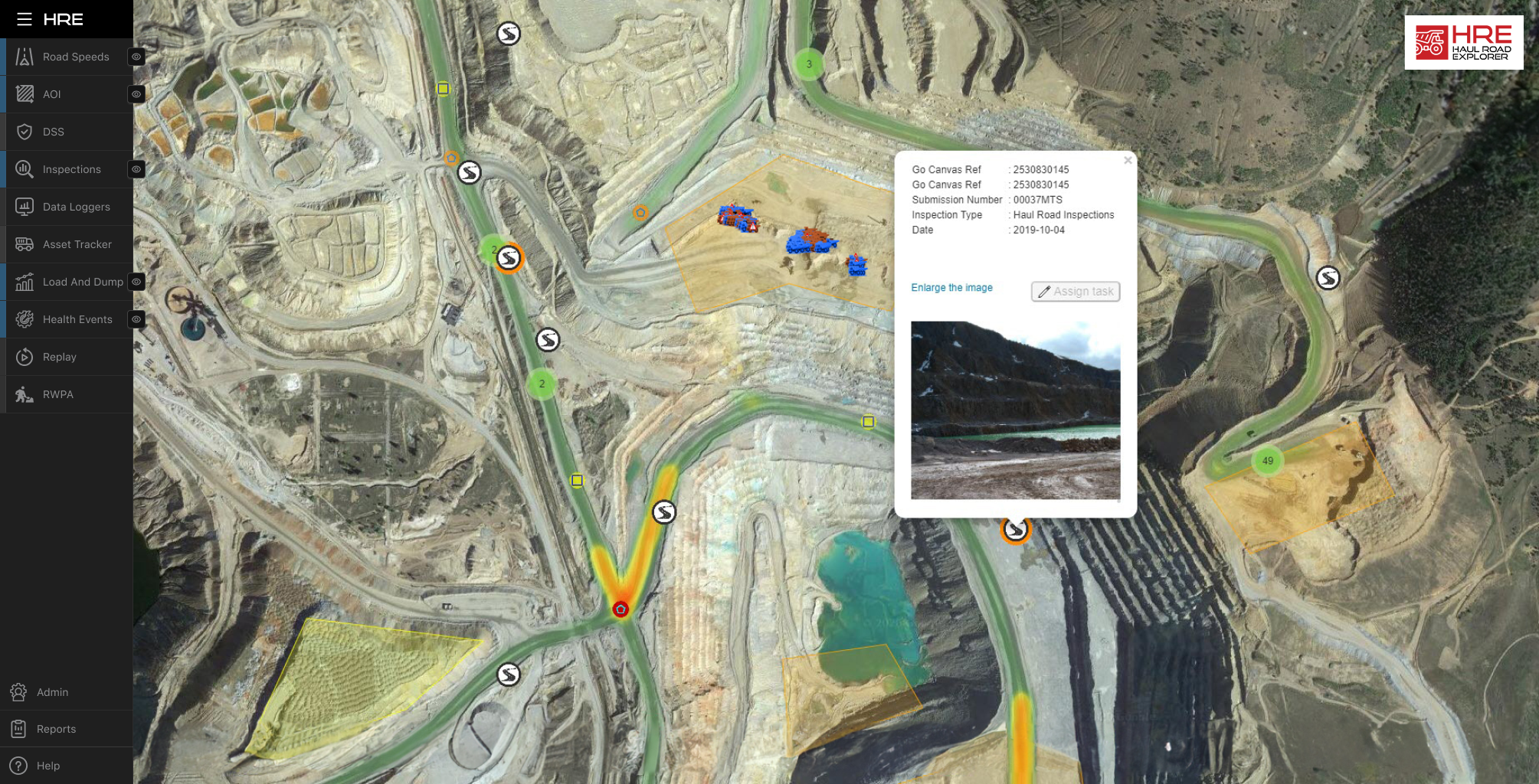
In 2022, a large mining operation experienced a noticeable increase in Fatigue & Distraction Events (DSS), primarily caused by operator distraction and risky behaviours, with a significant concentration of incidents occurring at intersections. Despite the presence of existing monitoring tools, the site required more advanced analytics and targeted interventions to improve both safety and operational efficiency. To address this, an interactive DSS event tracking dashboard was developed, providing a comprehensive view of incident locations, operator groups, and event trends over time. This dashboard enables safety teams and management to directly access and investigate individual events within Haul Road Explorer (HRE), allowing a detailed examination of road conditions, operator behaviour, and the specific circumstances contributing to incidents.
The Solution
Using the insights gained from these tools, the site implemented targeted road design improvements, including the realignment of high-risk intersections, alongside focused operator retraining programs aimed at reducing distraction-related events. This proactive approach helped to lower the frequency of DSS incidents while simultaneously enhancing overall operational safety.
Additionally, fatigue management reporting was significantly enhanced by leveraging the site’s DSS fatigue database, which allows the identification of operators experiencing repetitive fatigue events across multiple shifts. This long-term tracking approach goes beyond standard period-based reports, providing a more complete picture of operator fatigue patterns and supporting proactive fatigue prevention strategies.
Conclusion
The integration of advanced monitoring, detailed event analysis, and targeted interventions demonstrates the value of data-driven decision-making in mining operations. By combining the DSS event tracking dashboard with HRE, Newmont created a powerful solution to identify, investigate, and mitigate risks associated with operator fatigue and distraction.
Beyond immediate safety improvements, this approach also supports operational planning and workforce management. Mining managers can use insights from the dashboard to adjust shift schedules, optimise intersection layouts, and prioritise training efforts based on real incident data. This not only reduces the likelihood of fatigue-related events but also enhances productivity, operational reliability, and compliance with safety standards.
Ultimately, Newmont’s approach serves as a model for modern mining operations, showing how integrated fatigue management, behaviour monitoring, and road condition analysis can work together to create safer, more efficient, and more resilient mining environments.
Frequently Asked Questions
-
First, find out where the events actually happen. In 2022, a large mine saw a rise in DSS fatigue and distraction events, and many were concentrated at intersections. A DSS event tracking dashboard showed the high-risk locations. The site then realigned those intersections and retrained operators to reduce distraction, which lowered how often DSS incidents occurred.
-
Track fatigue across many shifts, not just one reporting period. A large mine used its DSS fatigue database to find operators who had repeated fatigue events across multiple shifts. Standard period-based reports can miss this pattern. Long-term tracking gives a fuller picture of each operator's fatigue, so the site can act before an incident happens.
-
Yes. At a large mine, the DSS event tracking dashboard gave managers real incident data to plan with. They could use it to adjust shift schedules, decide which intersection layouts to improve first, and focus training where events were highest. Decisions based on actual events reduce the risk of fatigue incidents and support productivity and safety compliance.
